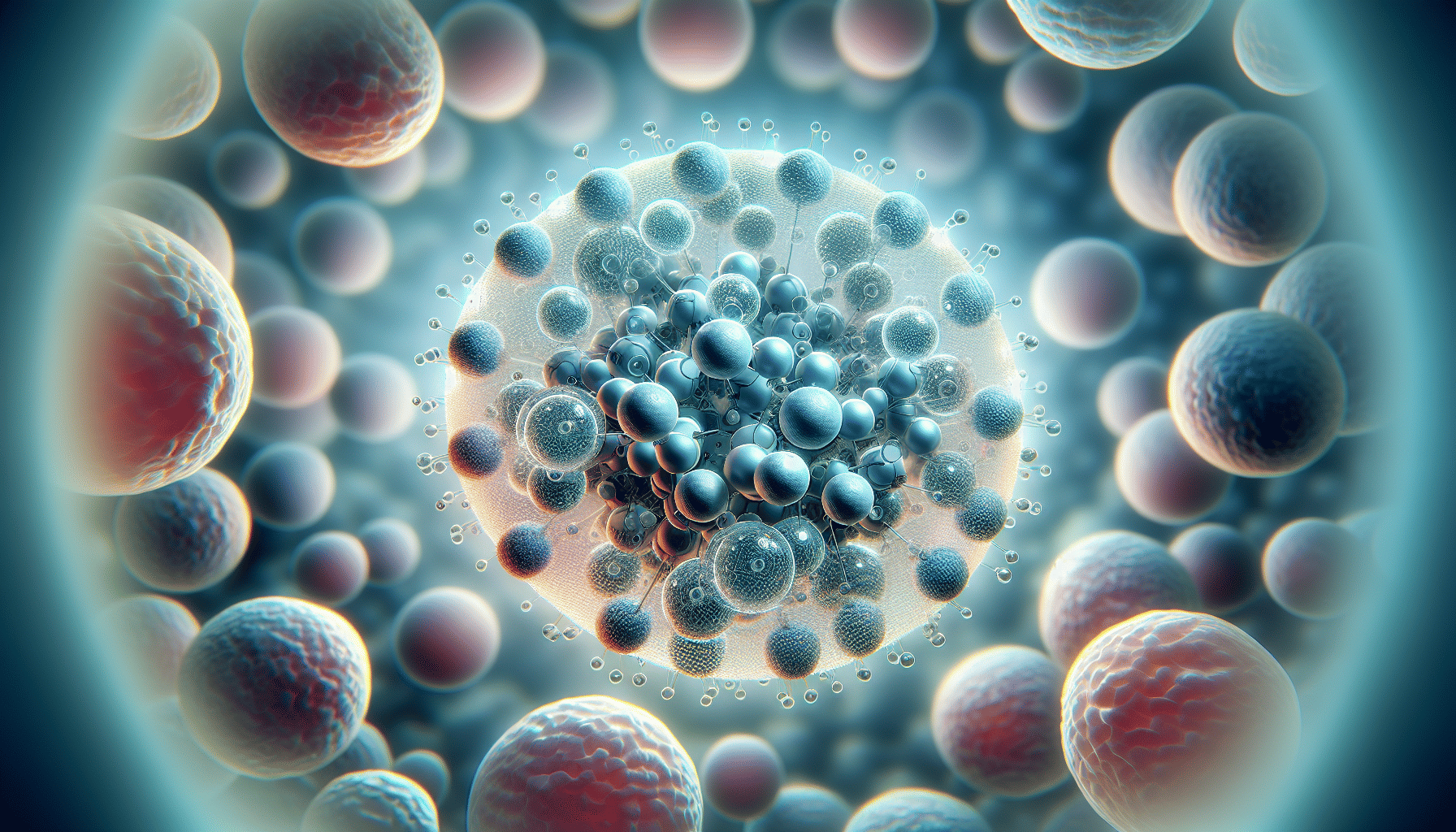
Nanotechnology has emerged as a groundbreaking field, revolutionizing various sectors with its potential to manipulate matter at an atomic and molecular scale. In recent years, its applications have expanded significantly, particularly in the realms of medical and material sciences, promising unprecedented advancements.
In the medical field, nanotechnology is paving the way for transformative healthcare solutions. One of the most exciting applications is in the development of targeted drug delivery systems. Traditional medications often affect healthy cells alongside diseased ones, leading to side effects. Nanotechnology offers the promise of precision medicine by enabling drugs to be delivered specifically to affected cells. For instance, nanoparticles can be engineered to bypass the body's biological barriers and release therapeutic agents directly into diseased cells, minimizing collateral damage and enhancing treatment efficacy.
Moreover, nanotechnology is playing a crucial role in the advancement of diagnostic tools. Nano-sized sensors can detect biomarkers at incredibly low concentrations, allowing for early detection of diseases like cancer. These highly sensitive devices use nanoscale materials to achieve unprecedented levels of accuracy, potentially leading to quicker and more accurate diagnoses, thus improving patient outcomes.
In the realm of regenerative medicine, nanotechnology is also making significant strides. Nanomaterials such as nanofibers, nanotubes, and nanocomposites are being used to create scaffolds for tissue engineering. These scaffolds mimic the body’s natural extracellular matrix, providing support and structure to encourage cell growth and tissue formation. Such innovations hold promise for repairing damaged tissues and organs, offering hope for improved treatment options for conditions that are currently challenging to address.
Shifting to material sciences, the integration of nanotechnology is resulting in the development of stronger, lighter, and more durable materials. Nanocomposites, for instance, incorporate nanoparticles into traditional materials to enhance their properties. This has led to the creation of materials with exceptional strength-to-weight ratios, critical in industries such as aerospace and automotive manufacturing, where weight reduction can lead to significant fuel efficiency improvements.
Nanotechnology is also leading to breakthroughs in energy storage and conversion technologies. The development of nanostructured materials is revolutionizing the production of batteries and supercapacitors, enabling faster charging and higher energy densities. This has profound implications for the future of renewable energy, where efficient energy storage solutions are essential.
Environmental sustainability is yet another area where nanotechnology could make significant contributions. Nanomaterials are being used to create more effective water purification systems. By harnessing the unique surface properties of nanomaterials, these systems can remove contaminants with high efficiency, offering solutions to one of the world’s most pressing challenges: access to clean water.
Despite its incredible potential, the rapid evolution of nanotechnology calls for careful consideration of its ethical and safety implications. The unique properties of nanoparticles mean they interact with biological systems in ways that are not yet fully understood, prompting the need for comprehensive research to ensure that these novel materials are safe for humans and the environment.
In conclusion, nanotechnology stands at the frontier of innovation in both medical and material sciences. Its ability to transform how we diagnose and treat diseases, create advanced materials, and address global challenges positions it as a key technology of the future. Continued research and collaboration across disciplines will be essential to harness its full potential, paving the way for innovations that were once considered the work of science fiction but are now becoming reality.