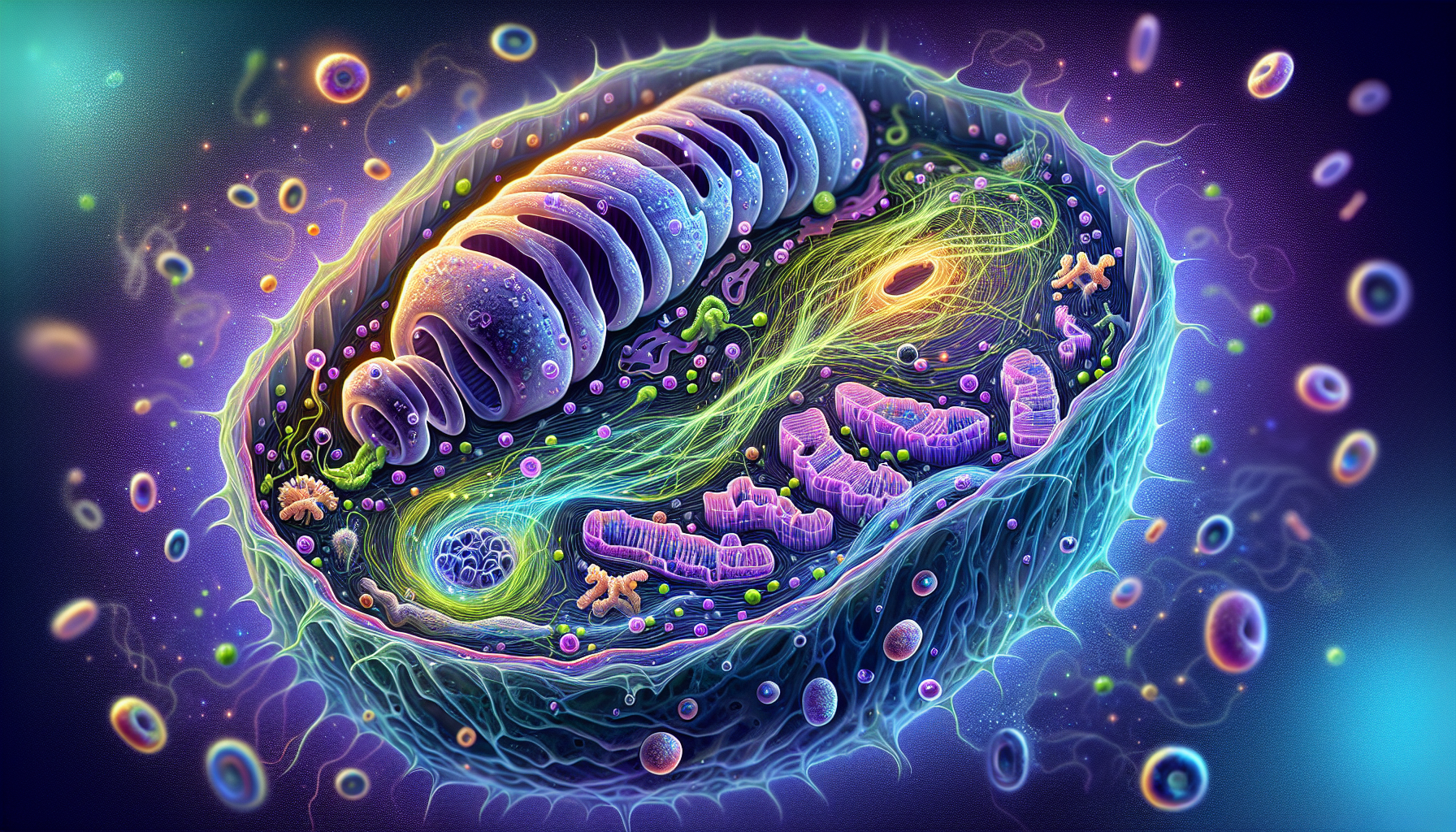
Quantum biology is an emerging field that melds the bizarre world of quantum mechanics with the complex systems of biology, offering revolutionary insights into the fundamental processes of life. Traditionally, the principles of quantum mechanics—such as superposition, entanglement, and tunneling—have been the domain of physics, dealing with the subatomic realms where particles exist in states of probability and unpredictability. However, recent research indicates that these principles may play a critical role in the biological processes that sustain life.
At first glance, the union of quantum physics and biology might seem improbable given the complexity and scale of biological systems. Yet, evidence has begun to accumulate that suggests a quantum perspective could unlock mysteries about how nature operates at its most fundamental level. One of the pivotal examples of this is photosynthesis. Plants, algae, and some bacteria have mastered the art of converting sunlight into energy with almost perfect efficiency. Quantum mechanics provides an explanation for this extraordinary efficiency—it posits that photons of light might exist in multiple paths simultaneously, enabling the plant to explore different paths and select the optimal route for energy transfer at astonishing speeds.
Similarly, avian navigation has also been highlighted as a potential example of quantum biology in action. Certain species of birds are believed to navigate using Earth's magnetic field by relying on quantum entanglement in a specialized molecule in their eyes. This molecule can form entangled particles that respond to magnetic field changes, helping birds determine their migratory paths. This concept not only enhances our appreciation of avian capabilities but also inspires innovative advancements in technology, such as quantum compasses and better data storage methods.
Another profound area of interest is the role of quantum mechanics in evolution and genetic mutations. Mutations are vital for evolution and adaptation, yet the underlying mechanisms of how mutations occur at the molecular level are not entirely understood. Researchers speculate that quantum tunneling might contribute to genetic mutations by allowing particles to pass through energy barriers that classical physics would deem impervious, thus introducing subtle changes in the genetic code.
The scrutiny into quantum effects in biology has also extended to olfaction. The theory of quantum smell suggests that our sense of smell might not merely depend on molecular shape but on quantum vibrations within odor molecules. Quantum tunneling could help electrons within olfactory receptors recognize the distinct vibrational frequencies of different odor molecules, providing specificity and sensitivity far beyond what was previously conceived.
Despite these fascinating prospects, the study of quantum biology is still in its infancy. Many of its hypotheses and experimental findings are subject to ongoing investigation and debate within the scientific community. While the idea of quantum behavior influencing biological systems is intriguing, the complexity and variability present enormous challenges for experimental confirmation.
Nonetheless, embracing quantum biology has immense potential implications. The advancements in understanding biological mechanisms through quantum mechanics could spur innovations in health care, such as new strategies for drug delivery and the development of highly sensitive diagnostic tools. Moreover, insights from quantum biology could inspire bio-mimetic technologies, offering sustainable solutions in energy and computation that mimic the life-honed designs of nature.
Ultimately, as quantum biology continues to grow, it promises not just to illuminate the intricacies of life but to redefine our understanding of the universe itself. By bridging the gap between quantum physics and biology, researchers are on the threshold of unraveling life's enigmas, taking us one step closer to comprehending the extraordinary phenomenon that is life.