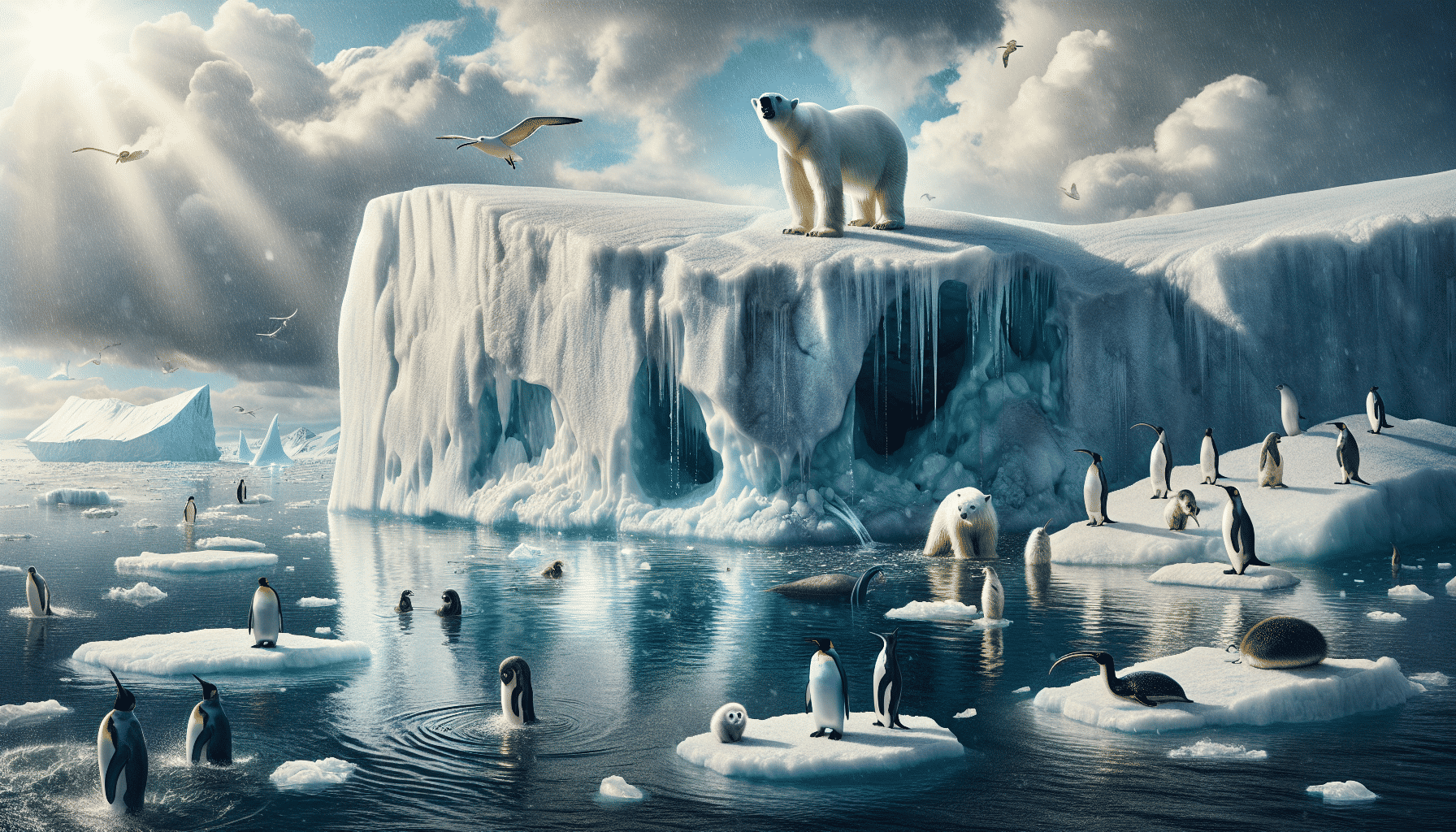
Climate change and biodiversity loss have become two of the most pressing environmental challenges of our time, intricately linked in a complex web of cause and effect. Understanding the relationship between these phenomena is essential to mitigating their impacts on ecosystems and formulating effective conservation strategies.
At its core, climate change refers to long-term alterations in temperature, precipitation patterns, and other atmospheric conditions, driven largely by human-induced emissions of greenhouse gases. As global temperatures rise, ecosystems across the planet are experiencing dramatic shifts. These climatic changes affect the natural habitats of countless species, from polar bears in the Arctic to corals in tropical seas. The increasing frequency and intensity of extreme weather events further compound these threats, disrupting habitats and altering the availability of resources necessary for species survival.
Biodiversity, which encompasses the variety of life on Earth, from genes to ecosystems, is crucial for ecosystem function and human well-being. Biodiverse ecosystems are more resilient to changes and provide essential services such as carbon sequestration, water purification, and food resources. However, the relentless pace of climate change is pushing many species beyond their tolerance thresholds, leading to declines in biodiversity.
Research has shown that climate change exacerbates existing threats to biodiversity, such as habitat destruction, pollution, and invasive species. For instance, as temperatures rise, some species are forced to migrate to higher altitudes or latitudes in search of suitable conditions. However, not all species can adapt or migrate fast enough, leading to localized extinctions. Additionally, changing climate conditions can disrupt critical interactions within ecosystems, such as pollination, predator-prey dynamics, and nutrient cycling, further stressing ecosystems already at risk.
One clear example of this intersection is seen in coral reefs, which are highly sensitive to temperature changes. Rising sea temperatures cause coral bleaching, a phenomenon where corals expel the algae living in their tissues, leading to a loss of color and vitality. Prolonged bleaching can result in coral mortality, which in turn affects the myriad species reliant on these reefs for habitat and food. The degradation of coral ecosystems also impacts human communities, particularly those reliant on reefs for fisheries, tourism, and coastal protection.
Given the profound implications of climate change on biodiversity, urgent action is required. Conservation efforts must incorporate climate adaptability, focusing on enhancing the resilience of ecosystems. Protecting and restoring natural habitats, implementing corridors for species migration, and reducing other environmental stressors are all critical steps in mitigating the impacts of climate change on biodiversity.
Furthermore, integrating climate change considerations into policy frameworks and conservation planning is essential. International agreements such as the Paris Agreement aim to limit global temperature rise, but achieving these targets requires a concerted effort at all levels—from governments to local communities.
Innovative approaches, such as assisted migration and the use of technology for monitoring ecosystems, can bolster conservation efforts. Raising public awareness and fostering community involvement are also pivotal in driving the societal changes needed to address these challenges.
In conclusion, the link between climate change and biodiversity loss highlights the interconnectedness of our planet's systems. The degradation of one element inevitably affects the whole, underscoring the need for a holistic approach to conservation. By taking urgent and informed action, we can preserve the diversity of life on Earth and secure a sustainable future for generations to come.